

Mastering Your Home's HVAC: A Calgary Homeowner's DIY Maintenance Guide
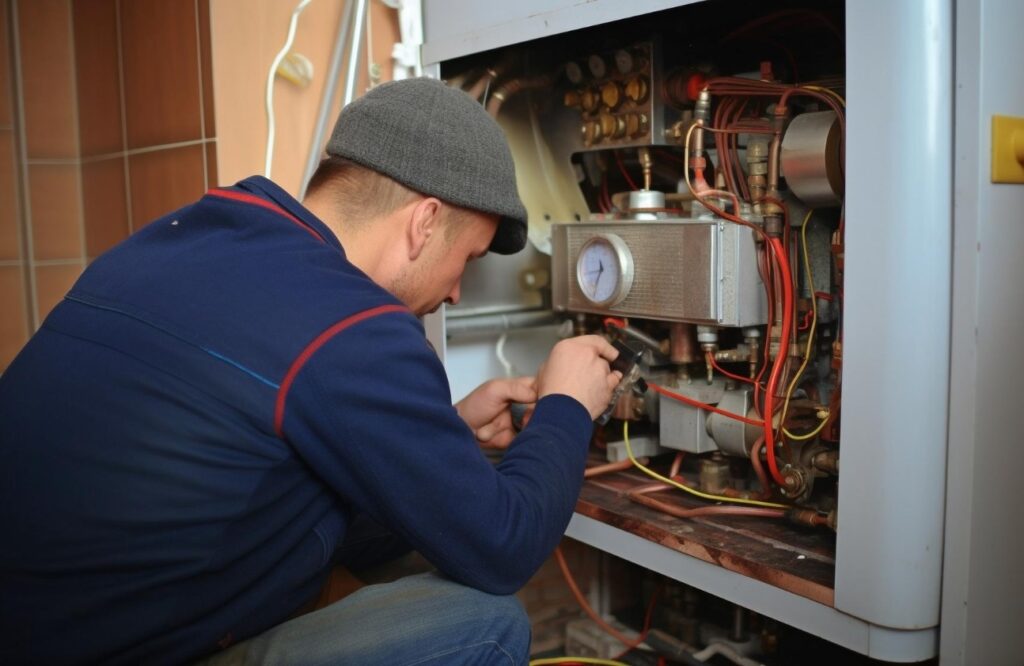
Keeping your home’s heating and cooling system in top shape can significantly boost your comfort, trim down energy expenses, and extend the lifespan of your equipment—all while sidestepping the stress and cost of emergency repairs. This essential DIY guide is designed to empower Calgary homeowners with the knowledge to confidently handle key HVAC maintenance tasks safely and effectively. We’ll also highlight when it’s best to bring in the pros from a trusted local expert. You’ll learn how to swap out furnace filters, give your air conditioner components a good clean, understand seasonal upkeep needs, spot the warning signs of system trouble, and use visual aids to get the best results. Discover why regular attention to your system improves airflow, indoor air quality, and overall energy efficiency, especially in Calgary’s demanding climate. Plus, find out how Calgary Home Comfort’s expert maintenance plans can offer you that extra layer of peace of mind. Here’s what this guide will cover:
- An overview of the basic maintenance tasks homeowners can handle
- A step-by-step walkthrough for cleaning your air conditioner and its outdoor unit
- The advantages of consistent upkeep for your energy use, comfort, and preventing breakdowns
- Clear indicators that signal it’s time to call in a professional HVAC technician
- Best practices for seasonal maintenance tailored to Calgary’s winters and summers
- Integrated advice addressing common homeowner concerns
- Helpful visual resources and tool recommendations to ensure your DIY success
What Basic HVAC Maintenance Tasks Can Homeowners Tackle?
Homeowners can significantly enhance their system’s efficiency and the quality of their indoor air through simple, regular actions. Swapping out furnace air filters, checking your thermostat’s settings, and clearing out drain lines are common performance hurdles you can address without needing specialized tools. These tasks help reduce dust buildup, promote balanced airflow, and prolong your equipment’s life, all with minimal investment in supplies. Building on filter changes, you’ll then learn how to maintain your thermostat’s accuracy and identify potential issues before they lead to costly service calls.
How to Safely and Effectively Replace Your Furnace Air Filter
Replacing your furnace air filter is a straightforward process: remove the old filter, select the correct size and MERV rating, and install the new one, ensuring it’s oriented correctly for airflow. Start by shutting off the furnace’s power at the circuit breaker. Then, carefully slide out the filter housing panel. Note the arrow indicating the direction of airflow, and then remove the dirty filter. Insert a new, high-efficiency pleated filter, making sure the arrow points towards the furnace. Finally, restore power. This simple procedure restores proper airflow, boosts heating performance, and prevents dust from circulating throughout your home, setting the stage for exploring different filter options.
What Are the Different Types of HVAC Air Filters and Their Benefits?
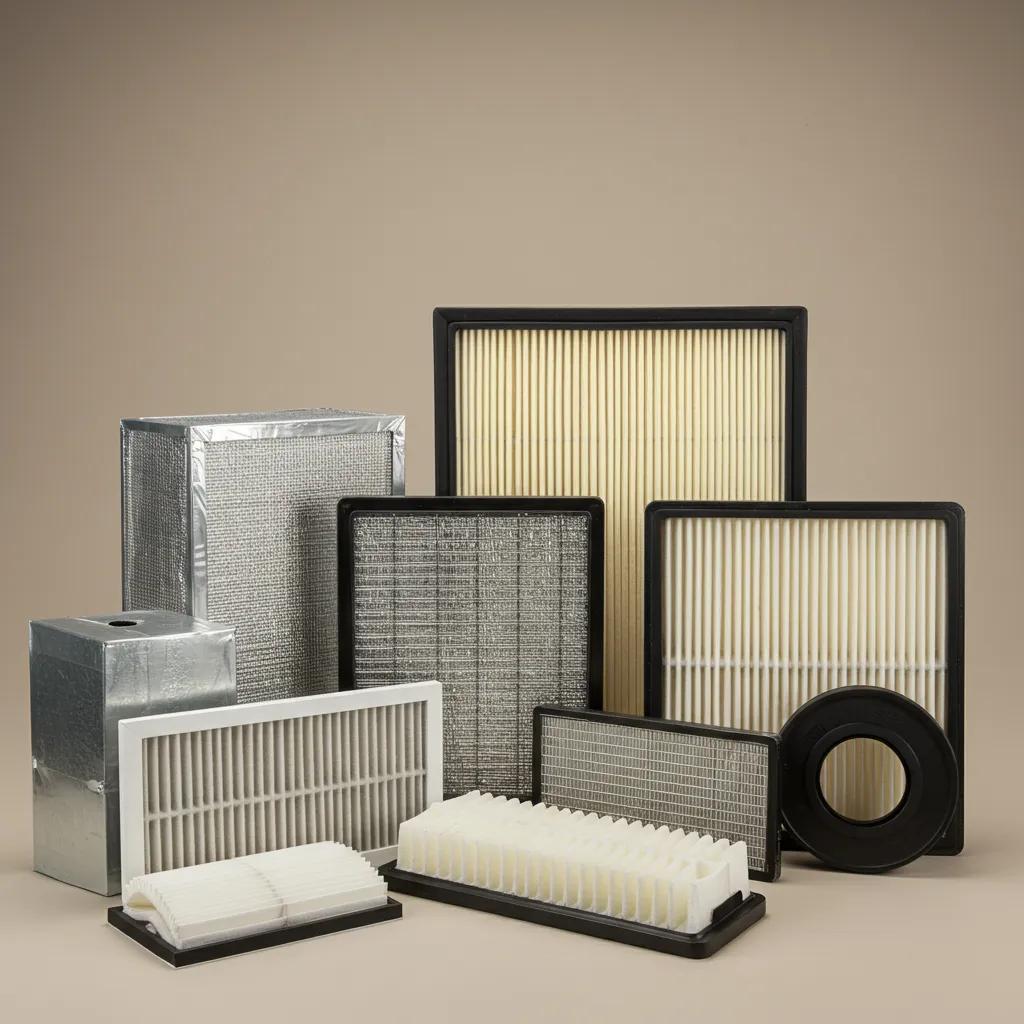
A range of HVAC air filters are available to meet diverse needs, from basic fiberglass panels to advanced HEPA air cleaners designed to capture allergens. The table below compares common filter types, detailing their particle capture efficiency and ideal applications.
| Filter Type | Efficiency Rating | Key Benefit |
|---|---|---|
| Fiberglass Panel | MERV 1–4 | Budget-friendly, protects equipment |
| Pleated Polyester | MERV 5–8 | Better dust capture, maintains moderate airflow |
| Electrostatic | MERV 8–12 | Enhanced allergen removal capabilities |
| HEPA | MERV 17–20 | Captures microscopic particles, perfect for allergy sufferers |
This comparison illustrates how choosing the right filter strikes a balance between cost, airflow, and indoor air quality. This naturally leads to questions about how often filters need changing in Calgary’s specific climate.
How Often Should You Change Your Furnace Filter in Calgary’s Climate?
Calgary’s dry winters and dusty summers can cause filters to clog more quickly, so we recommend changing your furnace filter every 2–3 months. If your home has pets or occupants with allergies, consider monthly checks and replacements. Regularly inspecting the filter for discoloration and checking for airflow restriction will help you determine the best timing. Consistent filter maintenance prevents unnecessary strain on your blower motor and ensures efficient heat distribution, even during Calgary’s extreme temperature shifts.
How to Inspect and Maintain Your Thermostat for Optimal Performance
A properly calibrated thermostat is key to maintaining consistent home temperatures and ensuring your system runs efficiently. Start by comparing the temperature displayed on your thermostat with an accurate room thermometer. If there’s a consistent difference of 2°C or more, adjust the calibration settings. Gently clean any dust from the sensor and ensure the mounting plate is level to prevent inaccurate readings. Remember to replace batteries annually in programmable models and verify that the programmed schedule aligns with your household’s occupancy patterns. Keeping your thermostat in good shape helps maintain balanced heating and cooling cycles without overworking your system.
How Do You Clean Your Home Air Conditioner and Outdoor AC Unit?
Cleaning both the indoor and outdoor components of your air conditioner can restore its cooling capacity and help prevent unexpected breakdowns. Dirt and debris accumulating on coils, fins, and drain paths can impede heat exchange and lead to ice formation. By following a structured approach to cleaning your coils and clearing out the condensate lines, you can regain lost performance and delay potential refrigerant-related issues. After mastering coil cleaning, you’ll learn how to gently straighten bent fins to maximize airflow.
What Tools and Safety Precautions Are Needed for AC Coil Cleaning?
Before you begin cleaning your AC coils, gather these essential items:
- A garden hose equipped with an adjustable nozzle for a gentle rinse
- A soft nylon brush to dislodge surface grime
- An EPA-approved foaming coil cleaner to break down stubborn residues
- Safety gloves and protective eyewear to shield yourself from chemical contact
- A screwdriver set for removing access panels
Crucially, always shut off the power supply at the outdoor disconnect or breaker to eliminate the risk of electric shock. These preparations will ensure a safe and effective coil-cleaning process that preserves the integrity of your equipment.
Step-by-Step Guide: How to Clean Your Outdoor AC Condenser Coils
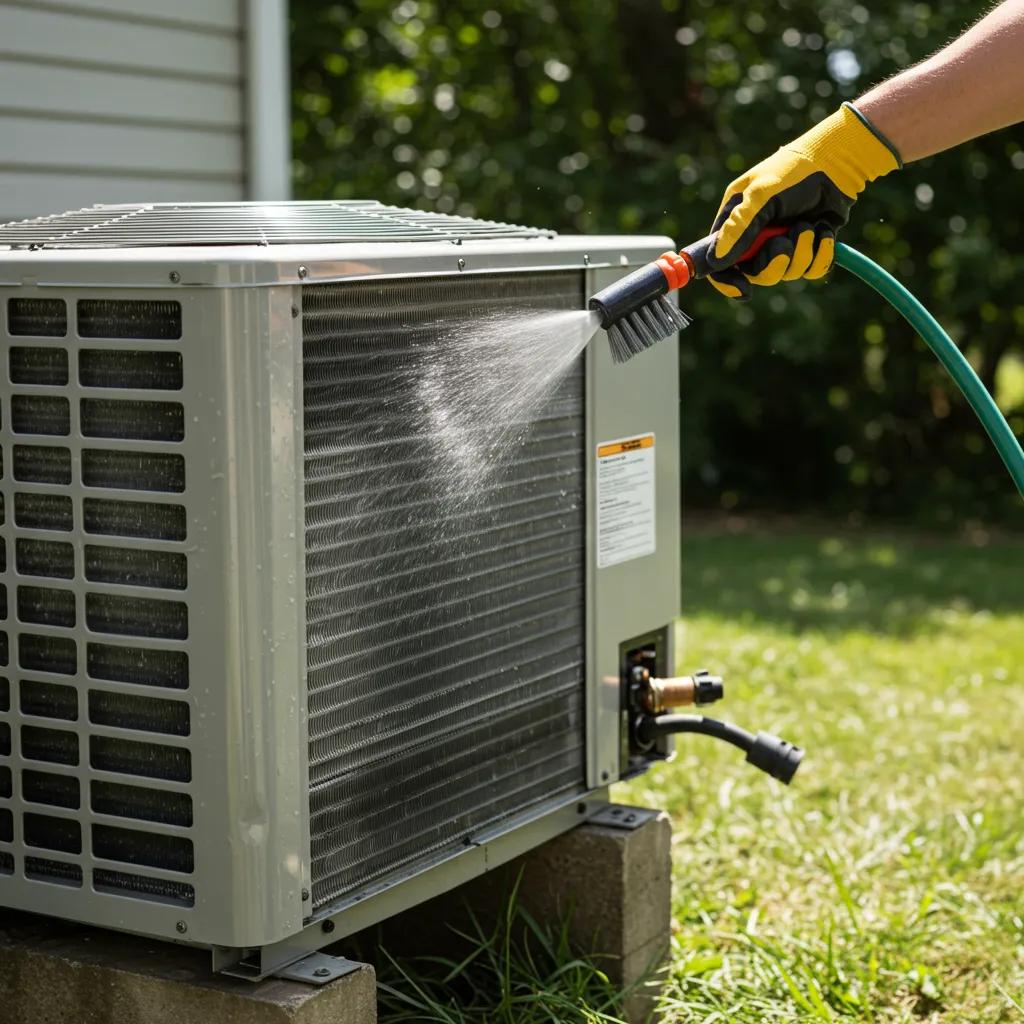
Follow these numbered steps to restore your condenser’s efficiency:
- Ensure the power supply to the outdoor unit is turned off at the disconnect switch.
- Carefully remove the top grille and any protective panels using your screwdriver.
- Gently clear away leaves and debris from the coil surfaces with a soft brush.
- Apply the coil cleaner foam and let it sit for 5–10 minutes to work.
- Thoroughly rinse the coils from the inside out using a low-pressure water stream.
- Reassemble the panels, restore power, and confirm the compressor starts up correctly.
Completing these steps will improve heat exchange, reduce the load on your compressor, and naturally leads into the next important task: maintaining the condensate drain line.
How to Clear and Maintain Your AC Condensate Drain Line
A blocked condensate drain line can lead to water backups and potential water damage in your home. To clear it, flush the line with a mixture of distilled white vinegar and warm water, which helps dissolve scale and algae buildup. For stubborn clogs, you can use a wet-dry vacuum attached to the exterior drain opening to help extract the blockage. Performing this task quarterly is an effective way to prevent overflows, maintain your home’s indoor humidity balance, and prepare your unit for tasks like fin alignment.
When Should You Straighten AC Condenser Fins and How?
Bent fins can restrict airflow across your condenser coils, significantly reducing your air conditioner’s cooling output. It’s a good idea to inspect your fins annually and use a specialized fin comb to gently realign any bent sections, always working in the direction of the fins. Straightening the fins immediately after washing the coils ensures uniform water runoff and prevents moisture from getting trapped. Properly aligned fins improve airflow, reduce the workload on your compressor, and smoothly transition into understanding the broader benefits of regular maintenance.
Why Is Regular HVAC System Upkeep So Important for Calgary Homes?
Consistent, regular maintenance plays a crucial role in boosting energy efficiency, improving indoor air quality, and extending the operational life of your equipment. By keeping filters, coils, and controls in optimal condition, homeowners can enjoy reliable comfort and avoid costly mid-season breakdowns. Understanding these benefits truly highlights why scheduled tune-ups are a smart investment in your home’s well-being and your financial savings, especially when navigating Calgary’s extreme temperature fluctuations.
How Does HVAC Maintenance Improve Energy Efficiency and Lower Bills?
Routine cleaning and component checks help restore your system’s designed airflow and heat exchange rates, which can reduce system run times by as much as 15%. When blower motors and heat exchangers are well-maintained, they operate closer to their manufacturer’s specifications, consuming less electricity per heating or cooling cycle. This enhanced efficiency translates directly into noticeable reductions on your energy bills, freeing up funds for other household needs.
What Impact Does Maintenance Have on Indoor Air Quality and Comfort?
A clean HVAC system is far more effective at removing dust, pollen, and microbial particles from the air, which helps minimize the recirculation of allergens and maintain balanced humidity levels. Keeping your filters clean and coils free of debris supports consistent temperature control, eliminating uncomfortable hot or cold spots within your living spaces. Improved air quality contributes to healthier, more comfortable indoor environments—a vital consideration for families and individuals with respiratory sensitivities.
How Can Regular Maintenance Prevent Costly HVAC Repairs?
Preventative maintenance tasks are designed to catch minor issues—such as small refrigerant leaks or worn fan belts—before they have a chance to escalate into major, expensive failures. Addressing small refrigerant imbalances promptly can prevent compressor burnout, while ensuring moving parts are properly lubricated extends the life of your motors. Identifying system stress early on significantly reduces the need for emergency service calls and helps spread maintenance costs more predictably throughout the year.
When Should Calgary Homeowners Call a Professional HVAC Technician?
While many maintenance tasks are suitable for DIY enthusiasts, certain situations absolutely require expert intervention to avoid safety risks and potential warranty violations. Professional technicians possess specialized tools, refrigerant handling certifications, and advanced diagnostic equipment necessary to resolve complex issues. Recognizing these specific scenarios is key to protecting your equipment’s integrity and preserving your system’s warranty, especially when you have a maintenance agreement with Calgary Home Comfort.
What Are the Signs You Need Expert HVAC Repair or Maintenance?
Homeowners should always seek professional assistance when they notice the following:
- Unusual noises emanating from the system, such as grinding or hissing sounds.
- Persistent temperature fluctuations within the home, even after adjusting the thermostat.
- Visible water leaks around indoor units or signs of condensation pan overflow.
- Distinct burning odors detected when the system starts up.
- Noticeably ineffective heating or cooling, particularly after performing basic cleaning tasks.
These indicators often point to underlying issues like refrigerant leaks, electrical faults, or mechanical wear that require the attention of a certified service professional.
How Do Professional HVAC Maintenance Plans Benefit Calgary Homeowners?
Our maintenance plans bundle essential services like annual inspections, priority scheduling, and discounted repair rates into predictable, manageable investments. Our certified technicians conduct comprehensive safety checks, calibrate system controls, and verify refrigerant levels, ensuring your system performs optimally through Calgary’s demanding seasonal extremes. These plans enhance your system’s longevity, reduce the likelihood of emergency call-out fees, and support local expertise through Calgary Home Comfort’s trusted services.
How to Schedule Emergency HVAC Repairs in Calgary
During freezing winter temperatures or intense summer heatwaves, rapid response is absolutely critical. Homeowners can contact the after-hours service lines detailed in their maintenance plan documents or utilize our dedicated emergency scheduling hotline to arrange for same-day repairs. Our professional teams arrive equipped with advanced diagnostic tools and necessary replacement parts, minimizing downtime and swiftly restoring safe, reliable operation when you need it most.
What Are the Best Practices for Seasonal HVAC Maintenance in Calgary?
Seasonal checks are essential for adapting your maintenance routine to Calgary’s extreme temperatures and preventing climate-related stresses on your system. Winter preparations focus on ensuring your heating system is ready for the cold, while summer tasks prioritize cooling capacity and effective airflow management. A well-timed seasonal checklist guarantees year-round comfort and establishes a framework for continuous system monitoring.
How to Prepare Your HVAC System for Calgary’s Winter and Summer Extremes
As the colder weather approaches, it’s crucial to inspect your heat exchanger surfaces for any signs of cracks and to test your safety limit switches before the first cold snap hits. In the spring, take the time to clean your outdoor units, remove any protective covers, and verify refrigerant pressures to ensure efficient cooling performance. Seasonal calibration helps prevent emergency repairs during peak usage periods and introduces the key preventative steps needed for each season.
What Are the Key Preventative Maintenance Steps for Each Season?
Essential preventative actions include replacing your filter every season, cleaning your coils in both spring and fall, recalibrating your thermostat before the heating and cooling cycles begin, and flushing your condensate line quarterly. Seasonal lubrication of motor bearings and adjustments to belt tension further help reduce wear and tear. Consistently performing these tasks is fundamental to ensuring reliable performance and smooth transitions between Calgary’s varied weather conditions.
How to Monitor Your HVAC System’s Performance Year-Round
Maintain a simple log to record monthly temperatures, system runtime hours, and any unusual noises you might hear. Keep track of your energy bills for any sudden spikes that could signal system inefficiencies. Consider installing a smart thermostat that offers remote monitoring features, allowing you to receive alerts if temperature variations exceed your preset thresholds. Ongoing performance tracking is the final step in a proactive maintenance cycle.
What Are Common FAQs About Basic HVAC Maintenance Tasks?
Homeowners frequently have questions about the ideal frequency for changing air filters, the safety of performing DIY coil cleaning, the risks associated with neglecting upkeep, and the tell-tale signs that indicate a professional tune-up is necessary. Addressing these common concerns with clear, concise guidance helps resolve confusion and reinforces air quality maintenance routines, paving the way for the use of visual aids and tools.
How Often Should I Change My HVAC Air Filter?
Changing your air filter every 1–3 months is crucial for preventing dust accumulation, which can restrict airflow and increase energy consumption. Homes with pets or those experiencing high levels of dust will benefit from monthly inspections. Timely replacements are key to maintaining consistent air delivery and system efficiency, especially under Calgary’s variable weather conditions.
Can I Clean My AC Coils Myself Without Professional Help?
Yes, homeowners can safely clean accessible coils using approved coil cleaners and low-pressure rinsing, provided the power is turned off. However, if your coils are heavily soiled, or if you need access to the refrigerant system or are concerned about electrical components, it’s essential to call certified technicians to avoid potential damage and ensure compliance with safety regulations.
What Happens If I Don’t Maintain My HVAC System Regularly?
Neglecting routine maintenance can lead to a significant decrease in efficiency, higher energy bills, a decline in indoor air quality, and a greater likelihood of sudden, unexpected breakdowns. Accumulated debris puts extra strain on motors, accelerates component wear, and may even void your equipment’s warranty, ultimately resulting in higher long-term costs.
How Do I Know If My HVAC System Needs a Tune-Up?
You should schedule a professional tune-up if you notice irregular airflow, unexpected increases in your energy bills, persistent cycling of your heating or cooling system, or any noticeable decline in system performance after you’ve completed basic maintenance tasks. A certified inspection can identify hidden issues before they develop into costly emergencies.
How Can Visual Guides and Tools Help With DIY HVAC Maintenance?
Visual aids and specialized tools can significantly speed up DIY tasks by clearly illustrating component locations, demonstrating correct handling techniques, and reducing the guesswork involved. Step-by-step photos, instructional videos, and the right equipment can boost your confidence, lead to more efficient task completion, and minimize the chances of making errors that might require a service call.
What Are the Essential Tools for Basic HVAC Maintenance Tasks?
A well-equipped DIY toolkit should include a variety of filter sizes, a fin comb specifically for condenser fins, a coil cleaning kit, a programmable thermostat with calibration tools, and a basic screwdriver set. These instruments provide safe access to key components and ensure accurate maintenance procedures.
How Do Step-by-Step Photos and Videos Improve DIY Success?
Visual guides break down complex tasks into manageable steps, clearly showing proper filter installation, the correct motion for coil cleaning, and the right way to orient a fin comb. Watching a short demonstration can alleviate uncertainties about the order of operations and highlight common pitfalls, leading to faster, mistake-free maintenance sessions.
Where Can Calgary Homeowners Find Local HVAC Maintenance Resources?
Community centres, local hardware stores, and Calgary Home Comfort’s own digital resource library offer valuable workshops, printable checklists, and expert-led tutorials. Accessing guidance materials that are specific to your region ensures that the advice aligns with local climate challenges and any relevant regulatory requirements.
Consistent HVAC maintenance is key to strengthening your system’s efficiency, elevating your home’s comfort, and preventing costly failures. By combining these practical DIY techniques with the benefits of professional maintenance plans, Calgary homeowners gain comprehensive protection, achieve significant energy savings, and ensure year-round reliability—empowering you to enjoy a healthier, more efficient indoor environment.